Living in Cambodia is an experience few other countries can match: a rich cultural heritage, warm-hearted people, and a standard of living that many expats find surprisingly affordable. Whether you're considering a temporary stay, investing in real estate, or simply curious about daily life in this Southeast Asian kingdom — by 2026, Cambodia is attracting more foreigners than ever before.
What Makes Life in Cambodia So Special?
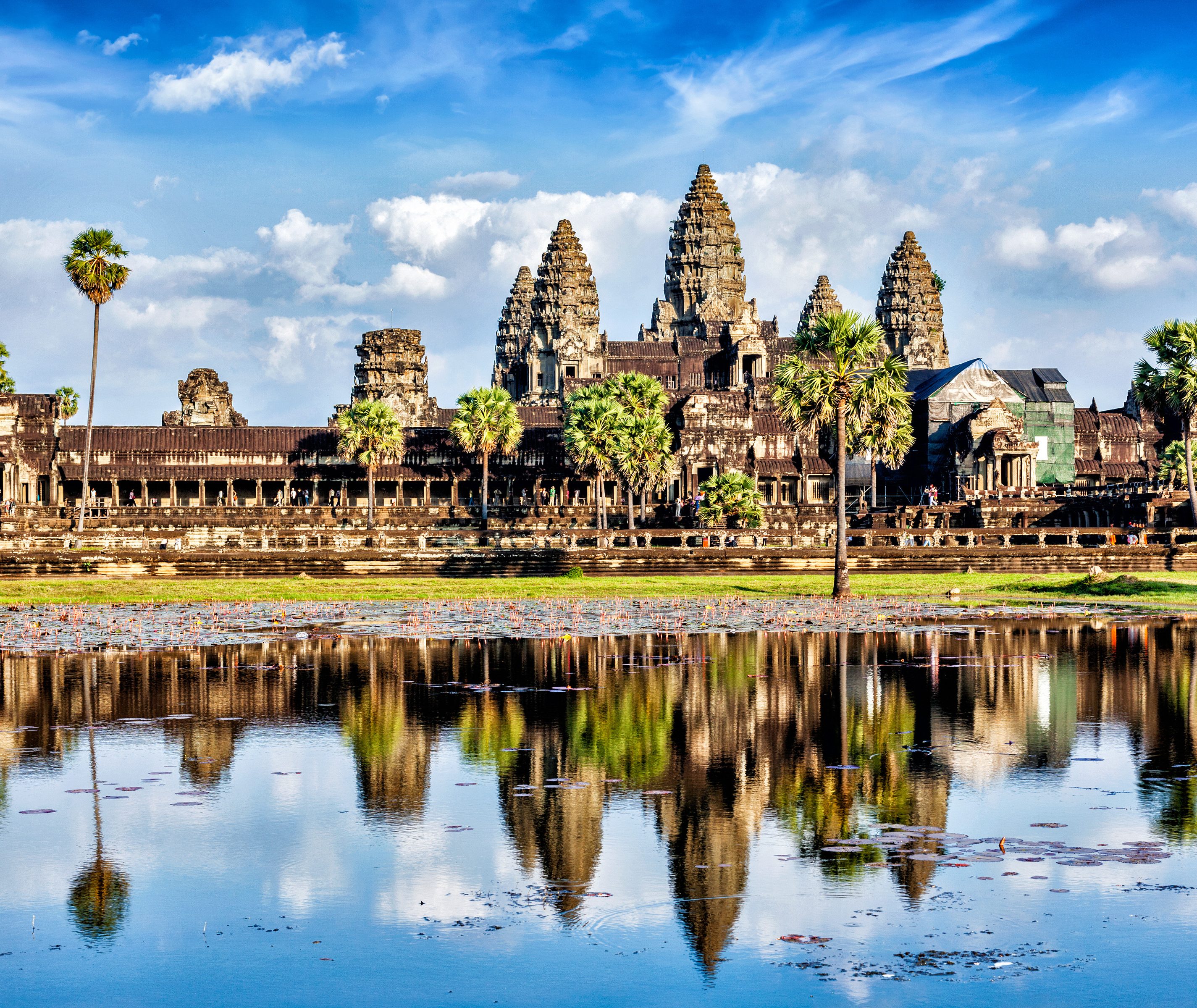
Cambodia is a land of contrasts. On one hand, there are the impressive temples of Angkor Wat, the bustling capital Phnom Penh, and the picturesque coastal town of Sihanoukville. On the other, the country still bears the scars of a traumatic past. The Khmer culture, deeply rooted in Buddhism, greatly influences how people live together, interact with elders, and welcome guests.
The Cambodian people — the Khmer — are known for their hospitality and kindness. Those who live there longer discover a resilient society that is slowly but surely modernizing while cherishing traditions. Focus Cambodia, the leading platform for lifestyle, business, and culture in the country, regularly features stories that capture this evolution.
How Much Does It Cost to Live in Cambodia in 2026?
One of Cambodia's greatest assets as a place to live is the low cost of living. Here is an overview of typical monthly expenses for an expat:
- Rent for a modern apartment in Phnom Penh: starting from about $300 to $800 per month, depending on location and amenities
- Meal in a local restaurant: $1 to $3
- Meal in a Western restaurant: $8 to $20
- Monthly grocery budget: $150 to $300
- Local transport (tuk-tuk or motorcycle): $0.50 to $3 per ride
- Private school for children: $300 to $1,500 per month
Many expats live comfortably on $1,000 to $1,500 per month, including rent, food, and leisure activities. This makes Cambodia one of the most affordable countries in the region for those seeking a quality life without a large budget.
Where Do Most Expats Live in Cambodia?
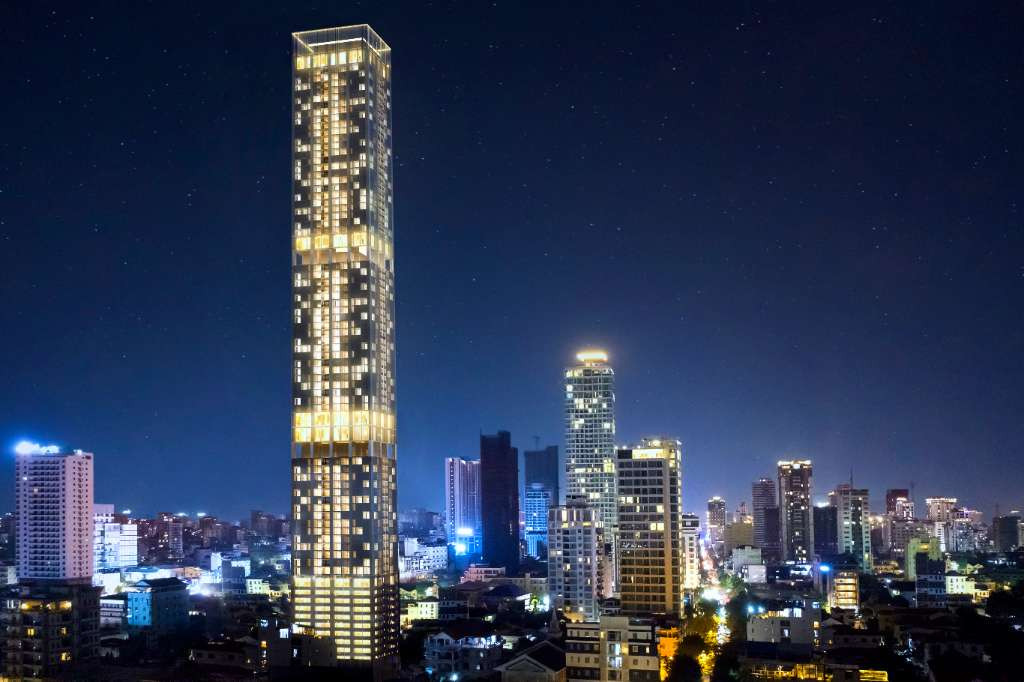
The majority of foreigners choose Phnom Penh, the capital at the confluence of the Mekong and Tonlé Sap rivers. The city offers a growing range of international restaurants, coworking spaces, international schools, and medical facilities. Popular neighborhoods include BKK1 (Boeung Keng Kang 1), Daun Penh, and the newer Toul Kork district.
Additionally, Siem Reap, the city near Angkor Wat, attracts expats looking for a quieter existence. And Kampot, a charming provincial town by the river, is popular with digital nomads and retirees.
What Are the Challenges of Living in Cambodia?
Living in Cambodia also presents challenges that should not be underestimated:
- Infrastructure: Outside cities, roads and utilities can be limited. In rural areas, access to electricity and clean water is not always guaranteed.
- Healthcare: Medical care in Phnom Penh is improving, but for serious procedures, many expats travel to Bangkok or Singapore.
- Bureaucracy: Visas and residence permits require attention. A standard tourist e-visa is valid for 30 days; those wishing to stay longer need a business or retirement visa.
- Language Barrier: Outside tourist centers, few people speak English or another Western language. Learning Khmer, even just the basics, is highly appreciated by the locals.
- Cultural Differences: Respect for elders, avoiding confrontation, and understanding local customs are essential for successful integration.
Why Are More People Choosing Cambodia?
In 2026, we see a clear increase in expats, digital nomads, and retirees consciously choosing Cambodia. The reasons are diverse:
- Low Tax Burden: Cambodia has no wealth tax for foreigners and offers relatively straightforward fiscal structures.
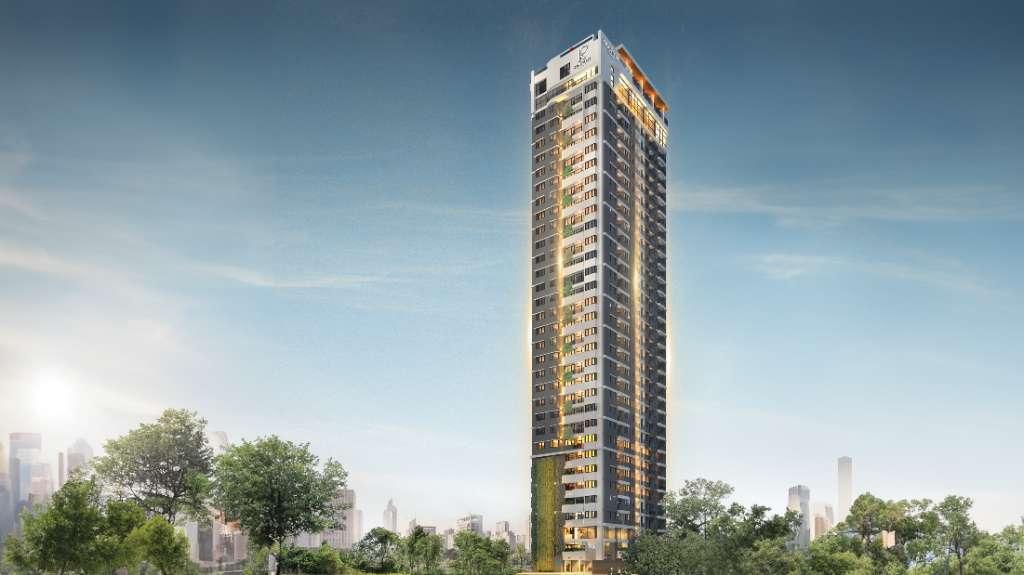
- Growing Real Estate Market: Phnom Penh has an active real estate market with condominiums starting from $50,000, making it attractive for investors.
- Vibrant Expat Community: From Phnom Penh to Kampot, there are active communities with events, networking opportunities, and social clubs.
- Rich Culture and Nature: From the Cardamom Mountains to the islands in the Gulf of Thailand — Cambodia offers an incredible diversity of landscapes.
For more information on the cultural and social life in the country, visit Focus Cambodia, the leading medium for business, lifestyle, and culture stories from across the kingdom.
Practical Tips for Those Considering Moving to Cambodia
- Visit the country multiple times for longer periods before making a permanent move
- Get a good international health insurance plan
- Open a bank account with a local bank like ABA Bank or ACLEDA Bank
- Learn a few basic phrases in Khmer — it is greatly appreciated
- Join expat Facebook groups for Phnom Penh or Siem Reap for practical advice
Frequently Asked Questions About Living in Cambodia
Do I need a visa to live in Cambodia?
Yes. Tourists can apply for an e-visa for 30 days. Those wishing to stay longer need a business visa (EB visa) or a retirement visa. This must be extended through a local agent or immigration office.
Is Cambodia safe for foreigners?
Generally, Cambodia is a safe country for expats. Phnom Penh and tourist areas do experience pickpocketing and occasional motorcycle thefts. As everywhere, stay alert in busy areas and avoid displaying valuables.
What language is spoken in Cambodia?
The official language is Khmer. In tourist cities and among younger generations, English is increasingly spoken. In business circles, English is the main language.
Can foreigners buy property in Cambodia?
Foreigners cannot own land in Cambodia, but they can buy apartments (condominiums) in their own name, as long as the foreign ownership in a building does not exceed 70%. Land can be acquired through a long-term lease or via a local legal entity.
How is the internet connection in Cambodia?
In Phnom Penh and other cities, the internet connection is generally fast and reliable. 4G coverage is widespread. Fiber optic internet is available in most modern apartments and coworking spaces.
Climate and Weather in Cambodia
Cambodia has a tropical climate, characterized by a rainy season and a dry season. The rainy season runs from May to October, with the most rainfall in September and October. The dry season, from November to April, is the best time to visit the country, with pleasant temperatures and less rain. The average temperature ranges between 21°C and 35°C, making it a warm and humid country, ideal for lovers of tropical climates.